top-stories

Galaxy-S-IV-teaser

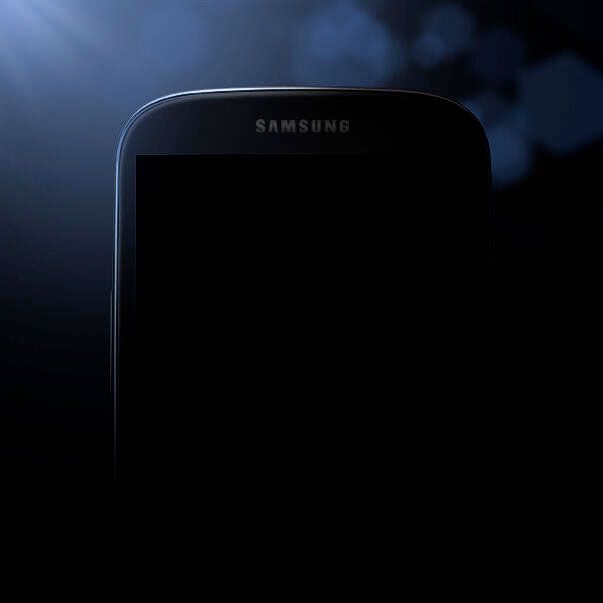
Samsung’s official Twitter account has tweeted a teaser image for the much-anticipated Galaxy S IV ahead of the handset’s grand unveiling on Thursday, March 14. The image doesn’t give much away, but it does provide us with some idea of what the device will look like. And to be honest, we’re not all that impressed.

Galaxy-S-IV-leak-front

On Monday, a number of images hit the web that purportedly showed off the much-anticipated Samsung Galaxy S IV — just days before its official unveiling in New York City. The images looked genuine, but just in case you had any doubts that they might be fake, here’s a hands-on video of the device from the same source.

Galaxy-S-IV-leak-front

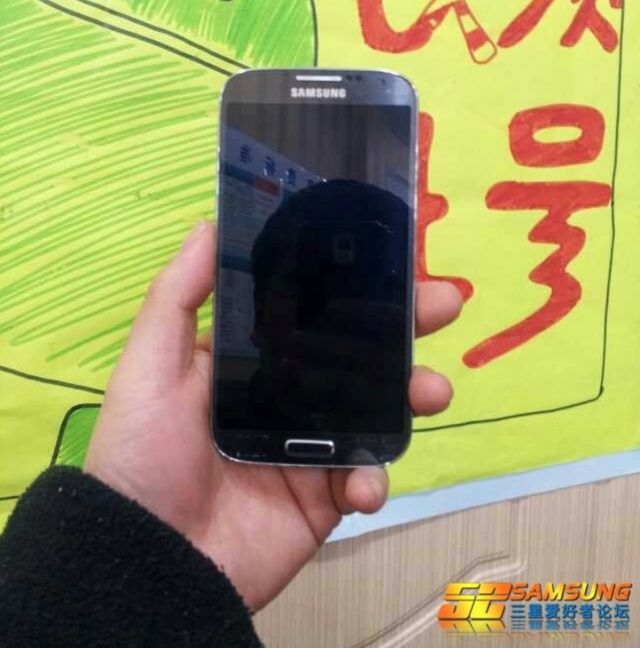
On Thursday, March 14, Samsung will unveil the much-anticipated Galaxy S IV at an event in New York City’s Times Square. The Korean company has been very secretive about its next-generation Android flagship — as it was with the Galaxy S III last year — but pictures of the new device may have been leaked ahead of its official debut.

The image you see above was posted to Chinese forum 52 Samsung, and it’s just one of many of that purportedly show the Galaxy S IV. The handset looks a lot like a Galaxy Note II — albeit a slightly smaller version — but according to a benchmark test, its internals are very different.

shootout-noise-cancel-headphones-2


Noise-cancelling headphones are suddenly all the rage. It certainly seems as if every big player in the audio game has at least one model that features active noise-canceling, usually accompanied by other luxury features — and with a corresponding luxury pricetag. Even manufacturers who’ve only recently begun making cans, like Logitech UE and Klipsch, prominently feature active noise-canceling in their model lineups.

It may even seem as if the technology has been added to some models simply because it’s become the feature du jour — an impression strengthened by the fact that not all noise canceling is the same. Not even remotely.

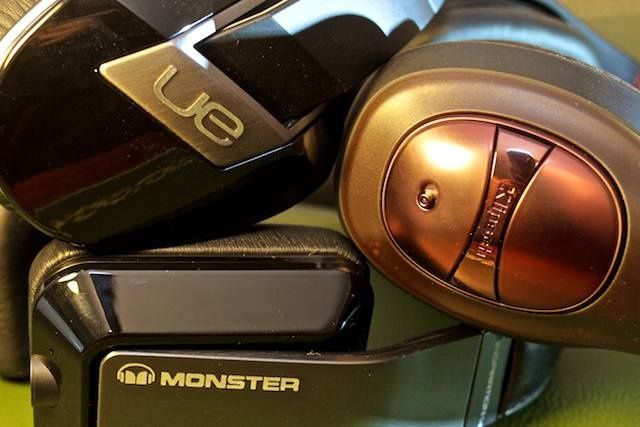
None of the headphones in our showdown — the Klipsch Mode M40 ($350), the Logitech UE 6000 ($200) or the Monster Inspiration ANC ($300), the noise-canceling version of the regular, passive Inspiration model we reviewed last year — exhibits the powerful noise-canceling ability that can almost completely drown out noise, like that of the Bose QuietComfort 15. Nor do they sit on the next level down, with NC performance similar to, say, Audio Technica’s ATH-ANC7b (although one here comes close).

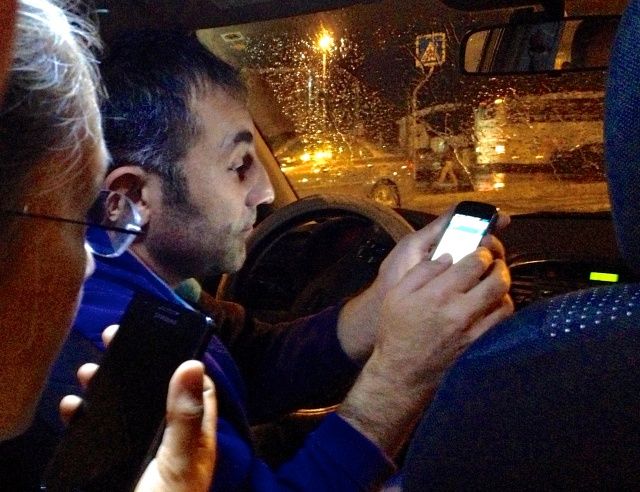
We simply couldn't get a Turkish SIM card to work with our Android phone. While trying to make it across Istanbul during a storm, we had to ask our driver to use his phone to get directions.

We simply couldn’t get a Turkish SIM card to work on my Nexus. While trying to make it across Istanbul during a storm, we had to ask our taxi driver to use his phone to get directions. It would have been nice to just use Google Maps on my own Android phone.

An unpleasant phone call with AT&T yesterday highlighted for me what I consider to be the biggest unsolved problem in mobility: using a smartphone in a foreign country.

Phone calls are expensive. Mobile broadband is either expensive, hard to find or both. And even WiFi can suck.

According to the UN’s World Health Organization, the human race takes more than 900 million trips to countries other than their own each year. It’s a huge problem affecting a very large number of people.

I’m a digital nomad and I live abroad. In the past nine months, I’ve lived in Greece, Turkey, Kenya and Spain. Believe me: Getting connected abroad is harder, more expensive and less satisfying than it should be. 

Next Page »