
android

image

Going into Mobile World Congress this year, the one device everyone was waiting to see was Samsung’s new Galaxy S5. We knew it was coming — the South Korean company made that pretty clear with all of its teasers beforehand — and we couldn’t wait to see what the 2014 flagship would bring.

The Galaxy S5 wasn’t the only smartphone on show that was worth getting excited about, either. Sony brought its new Xperia Z2, HTC unveiled the impressive midrange Desire 816, there were some nice new additions from LG and ZTE, and of course, we also saw the first Android-powered handsets from Nokia.

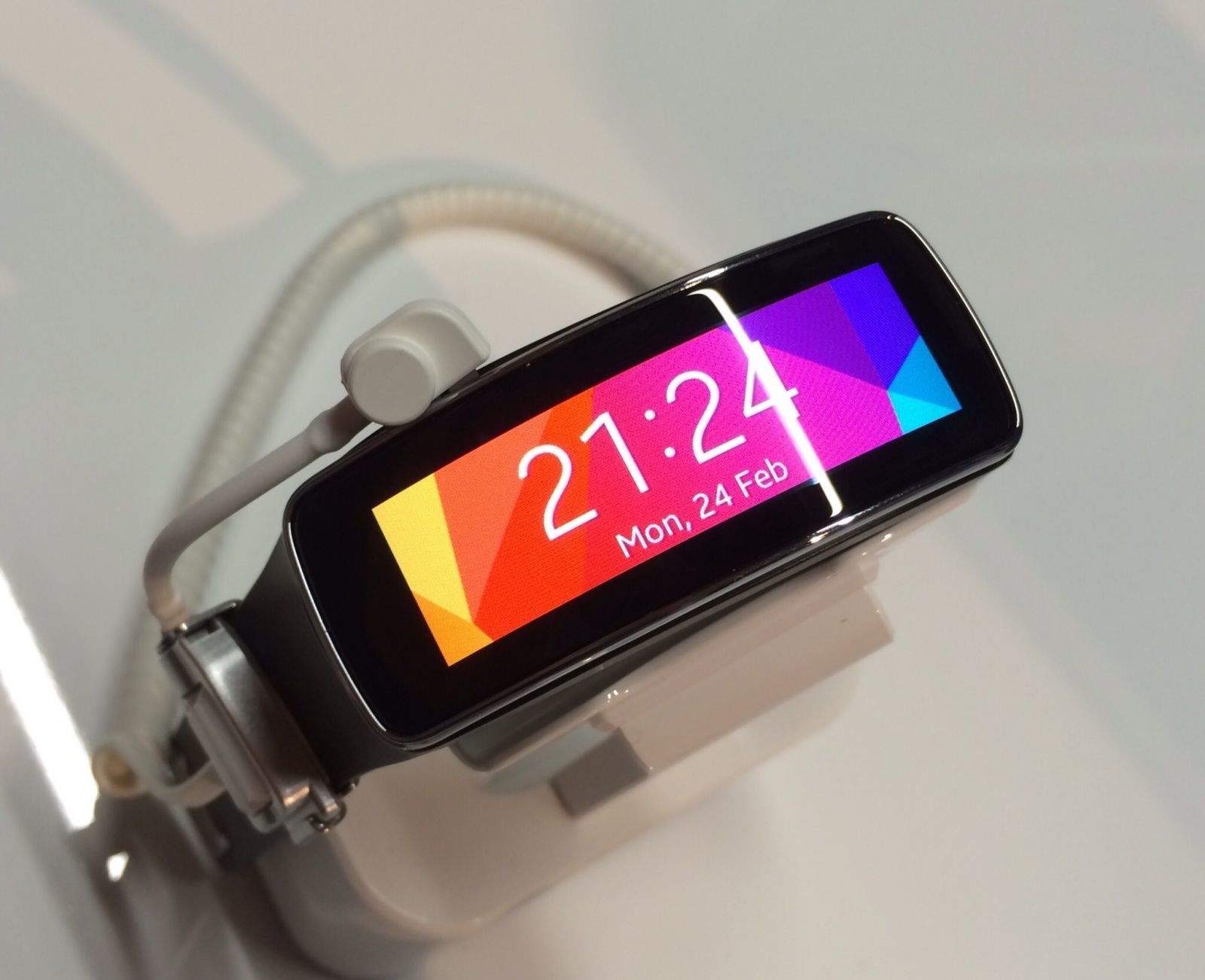
Smartphones certainly stole the show for another year, then, but there was another product category we couldn’t help but take note of. No, I’m not talking about tablets — which were just as disappointing this year as they were in 2013; I’m talking about wearables.

three-store

Three U.K. has confirmed that all customers have now been switched to a 4G tariff, allowing them to connect to LTE networks where available at no extra cost. Three’s LTE coverage now spans 36 towns and cities across Britain, including London, Birmingham, Manchester, and Liverpool.

BBM-BlackBerry-Messenger

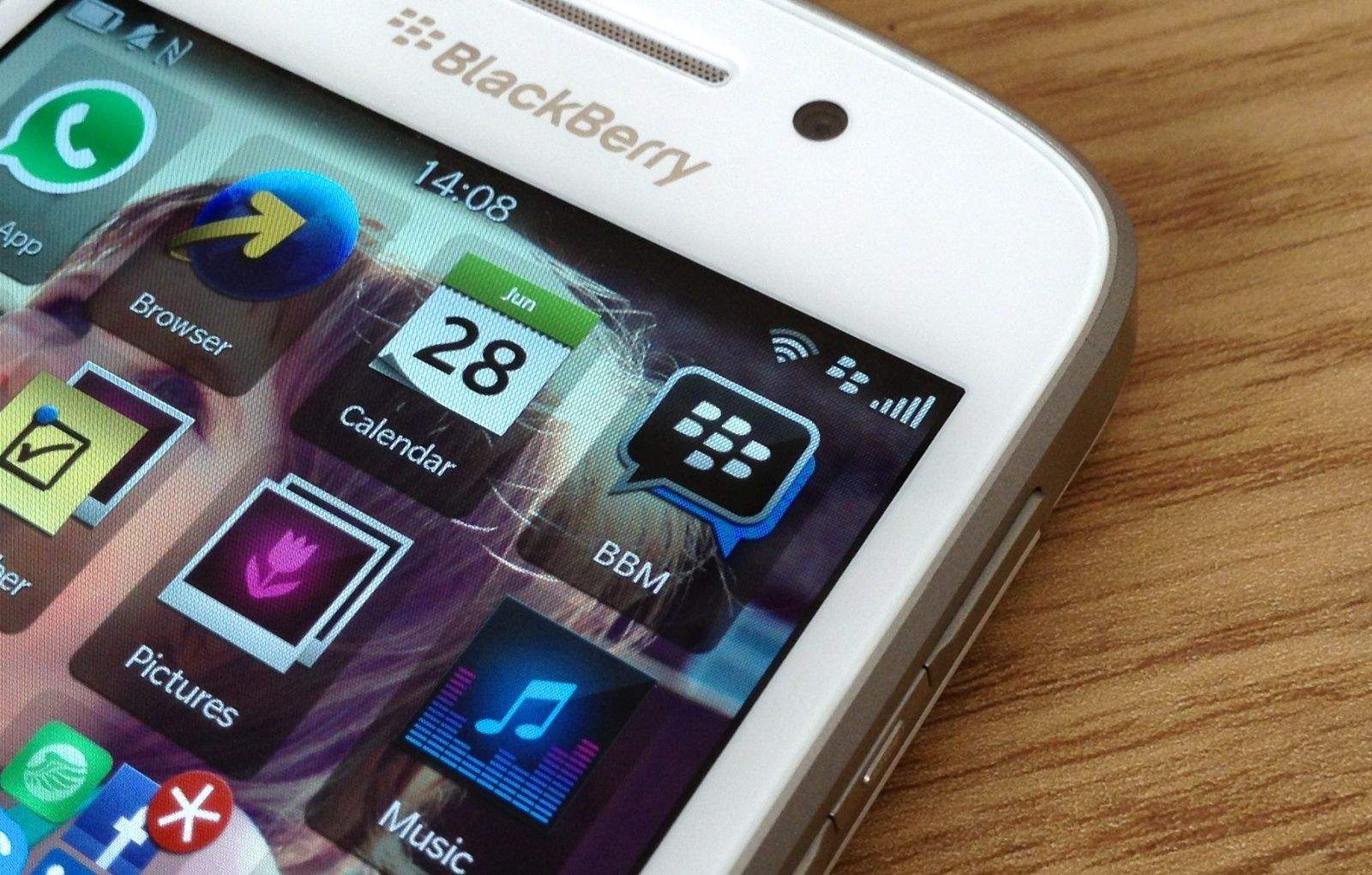
BlackBerry has confirmed that it will address BBM’s measly 6MB transfer limit in its next update. The company says it has “heard users loud and clear,” and it has vowed to allow the transfer of larger files over the popular instant messaging service.

Galaxy-S5-hands-on

Just as expected, Samsung unveiled its flagship Galaxy S5 at Mobile World Congress on Monday evening. In addition to fancy new features like a fingerprint scanner and heartbeat sensor, the handset boasts the latest Snapdragon 801 processor, a 1080p Super AMOLED display, and a 16-megapixel rear-facing camera with rich tone HDR, selective focus, and more.

But how does the Galaxy S5 compare to some of its competitors, like the iPhone 5s, the new Sony Xperia Z2, and its cousin, the Galaxy Note 3? We’ve put together a handy comparison chart below that makes it all clear — and may help you choose the best handset for you.

Galaxy-S5-hands-on

The Galaxy S5’s fingerprint scanner may be coming more than 7 months later than the iPhone’s, but it’s already going to be more useful to users. Not only will it allow them to unlock their device at the touch of a button, but Samsung’s going to allow third-party developers to integrate fingerprint scanning into their own applications, too.

Next Page »