If you haven’t heard of South Korea-based bCoda before, that’s OK — neither had we before we got this press release about their first pair of stateside products.
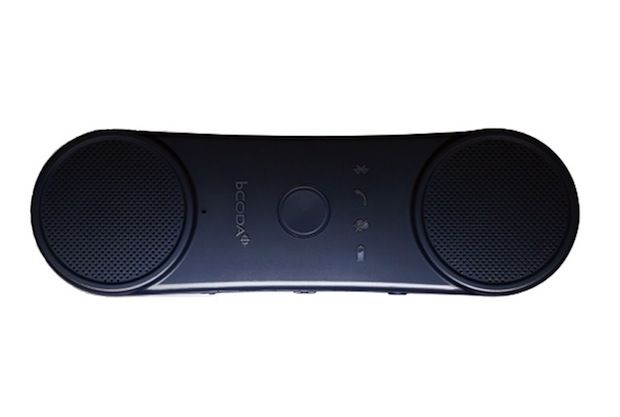
The Bluetooth-equipped CODA One looks like a phone handset, and it sort of functions the same way — only it’s cordless. If you’re juggling lattes, you can also set it down on your desk and use it as a hands-free speakerphone. Bells and whistles include noise-reduction and echo-cancellation, a large battery with a meaty 20 hours of talk time and the ability to pair with up to eight devices.
Google has released an interesting update for Google Currents, which adds support for audio playback, along with various other minor updates such as synchronization of post read-states between devices.
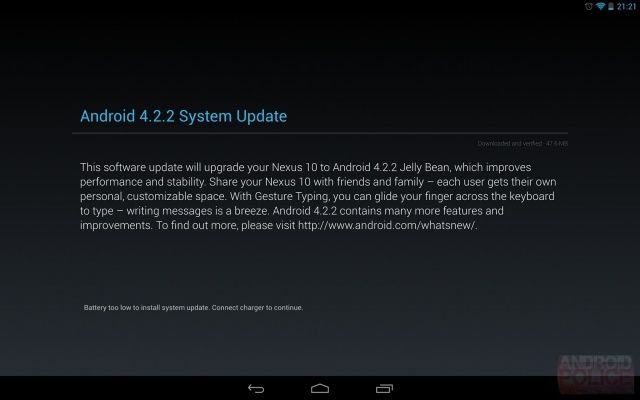
As expected, Google has begun rolling out its Android 4.2.2 Jelly Bean update to a number of Nexus devices, including the GSM Galaxy Nexus, the Nexus 7, and the Nexus 10. The software comes with the “JDQ39’ build number, and it delivers fixes for a number of key issues — most notably a Bluetooth streaming bug.
LAS VEGAS, CES 2013 – We’re a big fan of wireless Bluetooth speakers like the Jambox, but let’s face it: for most people, they are both too expensive, and too much of a pain in the butt to remember to pair and unpair. When NFC sees broad adoption, the latter will change, and you’ll be able to play from a wireless speaker just by laying it on top of the device.
Why wait for NFC, though? RCA of all companies is here at CES with a super cool new speaker line called the Soundflow, and it can play music from any smartphone or tablet just by laying it on top of the speaker. Best of all? The technology is so cheap that for the price of one Jambox, you could buy five or six Soundflows.
IK Multimedia has been making hardware and software for Mac and iOS for quite some time now. Many of the hardware accessories could work with Android, yet hadn’t the software support do do so. Until now, with IK Multimedia’s first foray into the Google Play store with iRig Recorder.
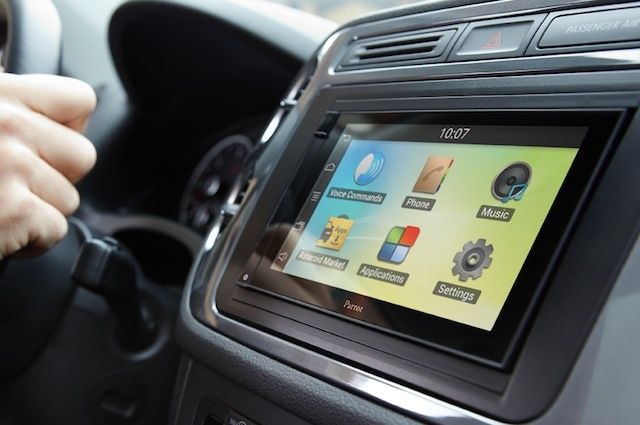
This is the original Parrot Asteroid Classic car stereo head-unit ($349), and it made quite a splash when it launched last year. The single-DIN, 4×55 watt receiver boasts a formidable array of features: Bluetooth connectivity, powerfully accurate voice recognition for both calls and music, a GPS receiver, a bright, 3.2-inch LED screen and a quiver of apps that run off its customized, upgradeable, early-vintage Android 1.5 OS (all of which require a data connection via a dongle).
Though this model was originally called the the Asteroid (no Classic), the Classic nomen was added to lessen confusion as three new models were announced a few months ago. However, the Asteroid Classic still very much in play; in fact, as this review goes live, the Classic is the only member of the Asteroid family currently available, as its new siblings haven’t shipped yet.
With its Android-based OS, you’d be forgiven if you thought the Asteroid Classic was more friendly to Android phones than the iPhone. In fact, the opposite is true, as I’ll explain later. And while it suffers from something that can probably be described as teething trouble, it’s still a lust-worthy system.