android

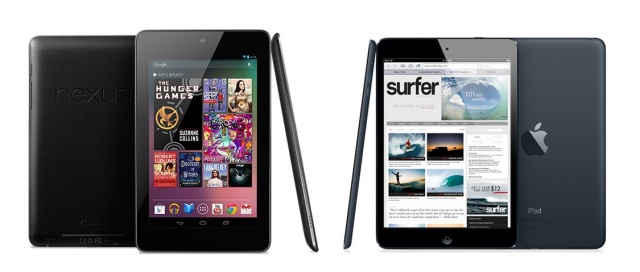
The Kindle Fire/Fire HD and Nexus 7 have given birth to a small, yet powerful, sub-category of affordable 7-inch tablets. One that has been slowly eating away at a market that has been dominated by the much larger Apple iPad. To battle this growing trend, Apple decided to break down — after vowing to never to make a 7-inch tablet — and create a smaller version of their highly successful iPad line. Apple’s iPad Mini may not be a 7-inch tablet (it’s 7.9-inches), but it’s clear Apple’s intentions are to disrupt the sales of those pesky 7-inch competitors out there who keep chipping away at their market share.
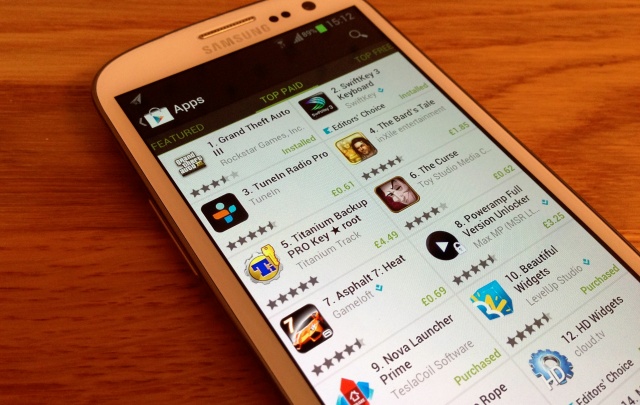
Google Play is now home to 700,000 Android apps.

Since its debut back in 2008, Apple’s iOS App Store has held the crown for the largest library of mobile apps and games available. That’s no longer the case, however, as its biggest rival, the Google Play store, has now caught up. Today Google announced that it now offers over 700,000 Android titles.

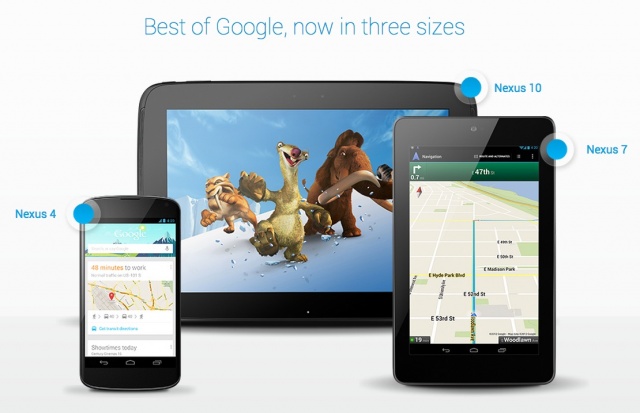
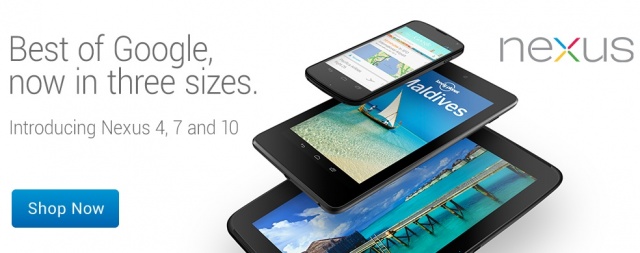
Now that Google has unveiled its Trifecta of Nexus devices, I can’t help but feel underwhelmed. I can’t exactly pin-point why I feel this way, but alas, I do. Perhaps my perception of what a Nexus device should represent has become misguided. I’m not sure when I began to expect more than just a Vanilla experience, but the latest batch of Nexus devices has knocked me back to the reality that “Nexus” means nothing more than having an untainted Android OS with certain end-user freedoms and timely updates.

Today, Google announced two new Nexus tablets — the Nexus 7 and Nexus 10 — which will go head-to-head with more established competitors like the iPad, the iPad mini and the Kindle Fire HD. But how do they stack up?

One of Research in Motion’s last remaining bastions of strong business is in governments, but it appears that the Blackberry-maker might lose one of their biggest customers: the Pentagon, which is now planning to open its network to iPhones and Androids.

Next Page »