android

imo-video-calling

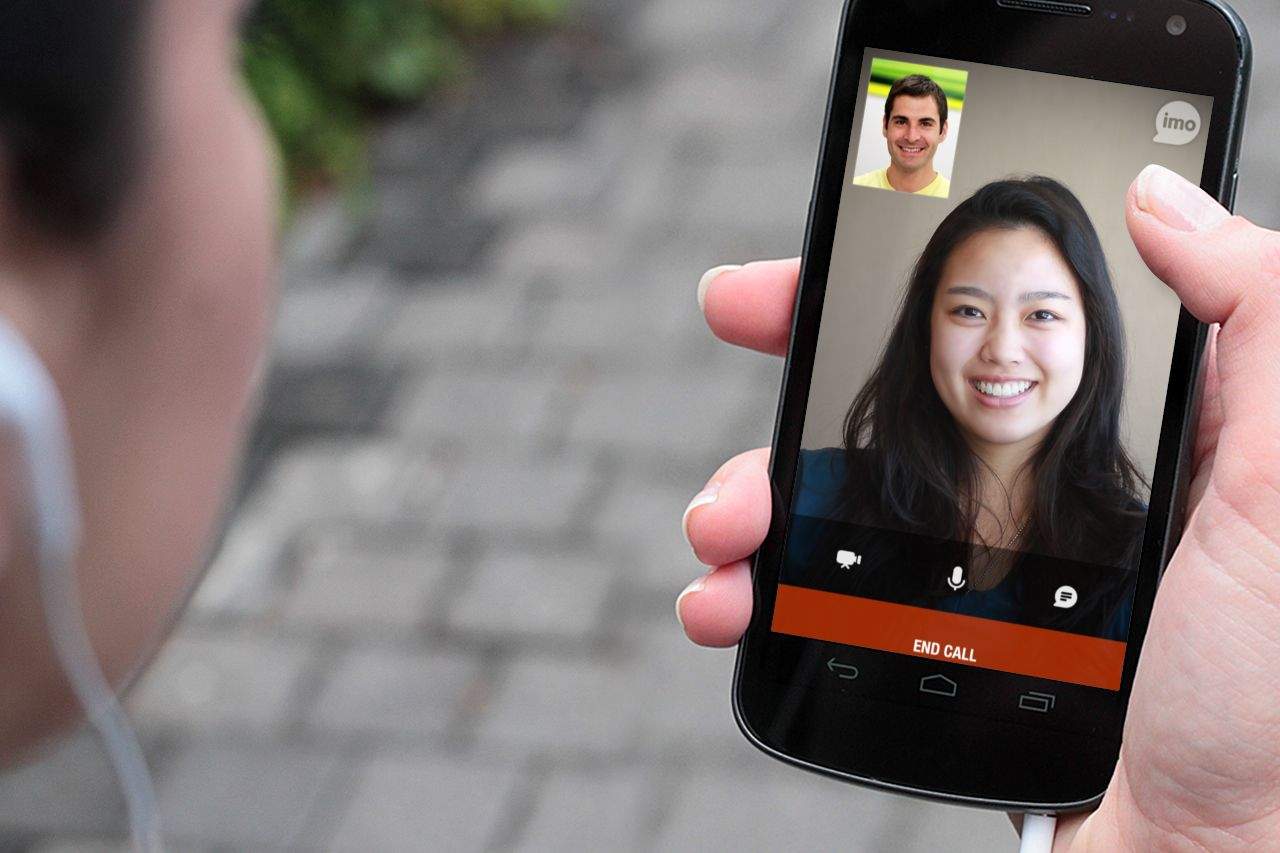
Imo Messenger, the messaging service that now boasts over 10 million users worldwide, has today received a nice new update on Android and iOS. In addition to free video calling on both platforms, the new release adds the ability to share broadcasts to your favorite social networks on iOS, and makes the app a universal release with support for both iPhone and iPad.

iusbport

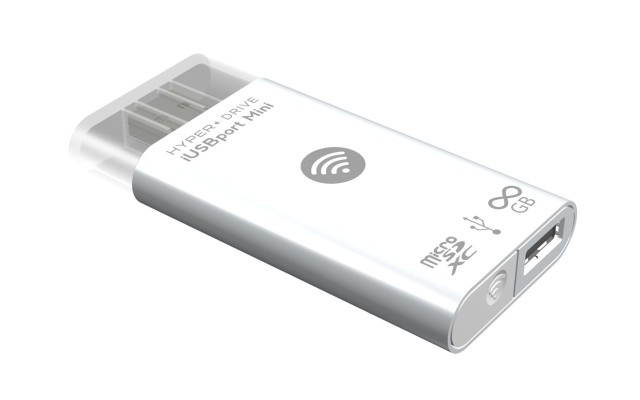
Like bicycle streamers or rum, adding a wifi hotspot to pretty much anything will make it exponentially better. The tiny new Hyper iUSBPort Mini is a great example of this: It’s a $90 USB drive with a built-in WiFi hotspot that can be used to share files or stream movies or songs to an iOS or Android device.

One tip for the device’s marketing team though: Please come up with a better name.

Goophone-i5C

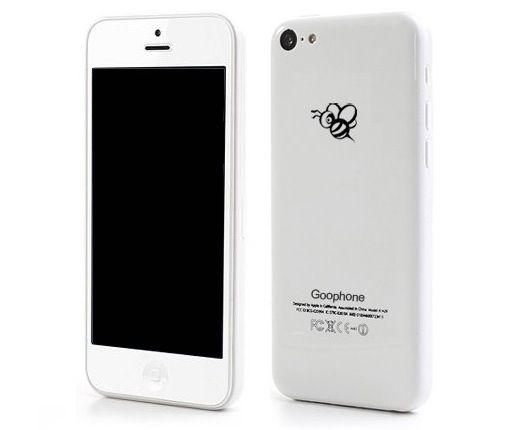
While the iPhone 5C will certainly be cheaper than Apple’s high-end iPhone 5S, it’s likely to be too expensive still for many in emerging markets. But smartphone clone specialists Goophone already have an Android-powered alternative in the pipeline that will sell for just $100 in China.

Called the “i5C,” the device looks almost identical to the real iPhone 5C based on the leaks we’ve seen. Just don’t expect a Retina display.

sony-x10-1

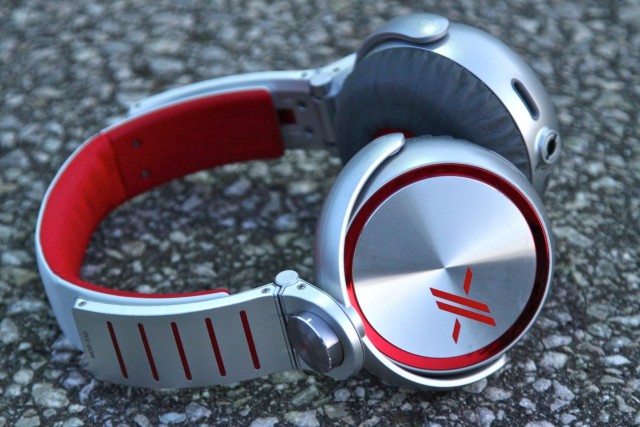
Anyone dismissing the Sony MDR-X10 headphones as simply yet another bombastic, over-the-top, celebrity-designed fashion statement for teenage bass junkies would be wrong. Easily forgiven, but wrong.

While most of those descriptive terms ring true — the big, lurid cans apparently received design input from none other than big, lurid entertainment personality Simon Cowell, and they’re definitely aimed toward the bass-obsessed — the X10s differ significantly from their brethren, and actually stand out prominently against an ocean of boom.

In other words, if you’re looking for bass-heavy headphones, this is your first stop; but even if you’re not, the X10s are so good they might win you over anyway.

MDR-X10 by Sony
Category: Headphones
Price: $200

SNP_3082148_en_v1

I love the Google Glass interface and I think it should be everywhere.

This interface is similar to a blog in that the basic organizing principle is time. When you tap the side of the Glass headset or tilt your head up, you’re greeted with the “right now” screen, which literally shows the time right now.

Scrolling to the left takes you into the future (today’s weather, directions to places Google Now thinks you might want to go, today’s birthdays, today’s weather highs and lows, your calendar and at the very end, Settings for Glass).

Scrolling to the right takes you into the past. The first item you encounter is the last thing you did — the last picture or video you took, the last message that came in, that sort of thing. The second card is the next-to-the-last thing that happened, and so on into the past.

Each of these items, of course, is a “card,” which has its own behavior when you tap and drill down. For example, if you’re looking at a photo you took, taping the touchpad offers up the options to Share or Delete. If you choose share, you’re given people and Google+ circles, again in reverse chronological order from the most recently used.

The interface is wonderful because it’s highly compatible with human psychology. We tend to organize discreet events in our lives in terms of time, both future and past. The human mind loves linearity based on time. That’s why blogs and social networks are popular.

This, combined with voice, through which we can conjure up anything out of time sequence and thereby insert it into the timeline, is a truly great user interface, and should be on many devices.

Next Page »