
The BlackBerry Q10, BlackBerry’s first smartphone to combine a physical keyboard with its new operating system, has gone on sale in the U.K. this week, and according to the early reviews, it’s going to be a winner — for those who like phones with physical keyboards, at least.
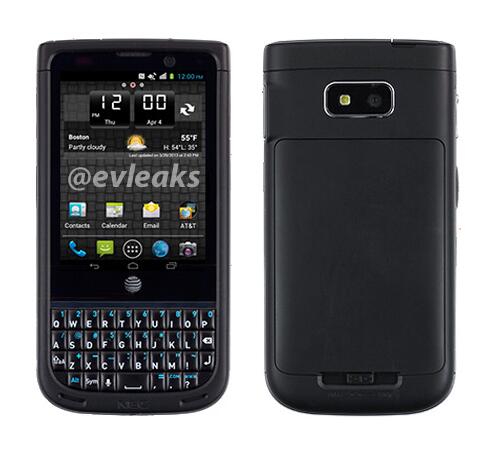
But it appears the NEC Terrain for AT&T wants to spoil its party by giving keyboard users an Android-powered option.
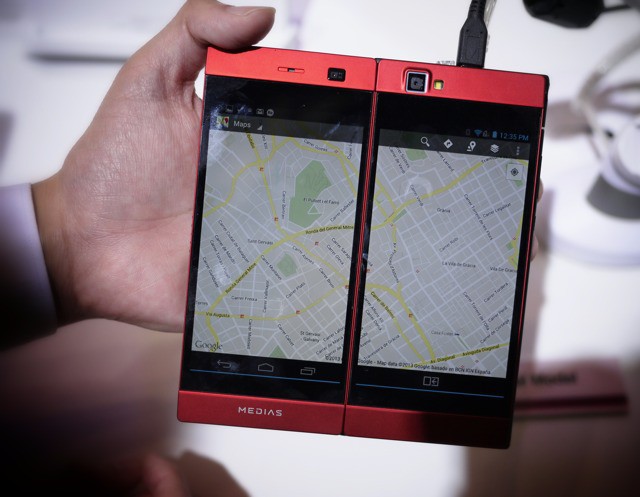
BARCELONA, MOBILE WORLD CONGRESS – Quick: What’s better than one screen? Two screens, of course. Or so says NEC with its funky new Android 4.1-powered Medias Tab.
Aside from slightly different form factors, today’s smartphones all look pretty similar; they have large displays that take up the majority of the space, and just a few physical buttons. But NEC is hoping to throw something different into the mix. The Japanese company has today unveiled the Medias W N-05E, a folding smartphone that has two 4.3-inch displays.
Japanese mobile operator NTT DOCOMO announced its plans to join forces with the fab five — Samsung, Panasonic, Fujitsu Limited, Fujitsu Semiconductor and NEC — to put an end to Qualcomm’s long held reign of mobile processing chip domination. Together they plan on developing “feature-rich, small-size, low-power-consumption semiconductor products equipped with modem functionality,” focusing on LTE and LTE-Advanced mobile communication standards. As long as all parties agree on the details, this “Semiconductor Six” (as I’m calling them) should be established and ready to powerhouse the mobile industry by the mid-January.