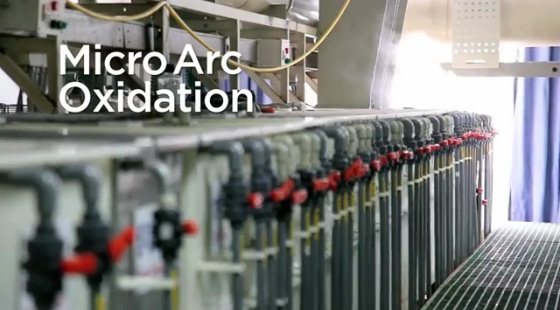
Future owners of the HTC One S can kiss third-party protective cases goodbye thanks to aircraft grade aluminum and a process called micro arc oxidation. HTC wanted to push the limits with their new “One” series of devices and using this MAO process on the One S gives it a unique durability and strength three times greater than that of stainless steel. Is this type of durability necessary for a consumer phone? HTC thinks so — and so do I!


When ASUS pushed Ice Cream Sandwich out to the Transformer TF101, users danced in the streets and tossed confetti at one another in celebration. Unfortunately not everyone made it to the party as many users experienced hangups, reboots, and constant issues. Today ASUS began rolling out another update to help take care of these issues and now everyone can have their Ice Cream Sandwich and eat it too.
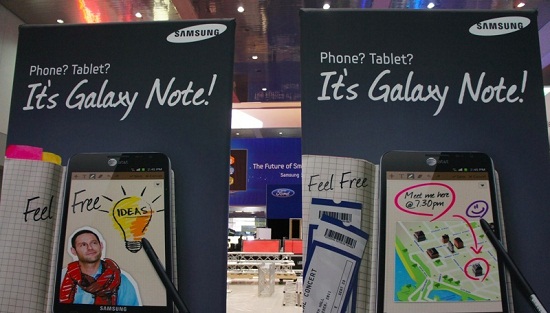
The Android developer/hacker community loves a good challenge so when they found out the AT&T Galaxy Note supported T-Mobile’s HSPA+ frequencies, they immediately went to work. Over at XDA they even had a running bounty for the first person to successfully get the AT&T Galaxy Note running on T-Mobile’s HSPA+ network. It didn’t take that long before user tomin.fhl found a way to get it working and he’s been kind enough to post the instructions for any brave soul willing to take the plunge.
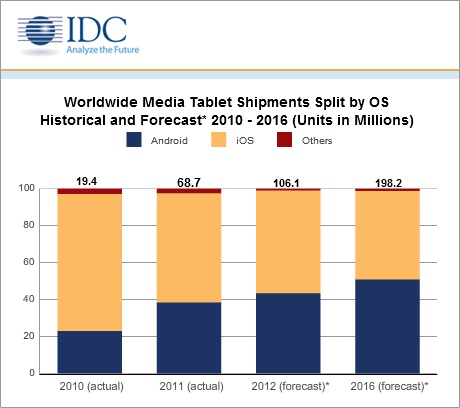
Today the International Data Corporation raised its 2012 tablet forecast to 106.1 million units, up from its previous forecast of 87.7 million units thanks to a stronger-than-expected 2011 finish. According to IDC, tablet shipments rose 155%, leading to a full-year 2011 total of 68.7 million units shipped. The IDC credits Amazon for raising consumers’ awareness of the tablet category in 2011 thanks to their popular $199 Kindle Fire.

Today T-Mobile announced a slew of new markets now able to take advantage of their 4G HSPA+ speeds while also highlighting their plans for the future. While T-Mobile admits their priority now lies in the preparation of their future LTE network, they will continue to improve their HSPA+ network with the possibility of eventually having 84Mbps theoretical download speeds. Since no one can predict the future, we’ll stick to what’s going on right now and that is the eight new cities with HSPA+:


