

android

ringblingz


The first successful personal computer didn’t have a screen — not even a command-line screen. It communicated with the user through blinking lights. It was called the MITS Altair 8800. This blinking-light box was such a revolution, a kid named Bill Gates dropped out of Harvard to write software for it.

I have the feeling that the first successful wearable computer will also show nothing more than blinking lights.

I’m going to tell you why the high-rez wearables may not go mainstream over next couple of years, but why blinking-lights devices might. But first, let’s check out two interesting blinking light wearable devices.

lenovo

Google made a surprise announcement at the end of January that confirmed it was selling Motorola to Lenovo for $2.91 billion, but the search giant seemingly forgot to tell us that it made a big investment in the Chinese consumer electronics manufacturer the following day.

Reuters reports that Google will pay Lenovo $750 million for a 5.94 percent stake in the company.

custom video

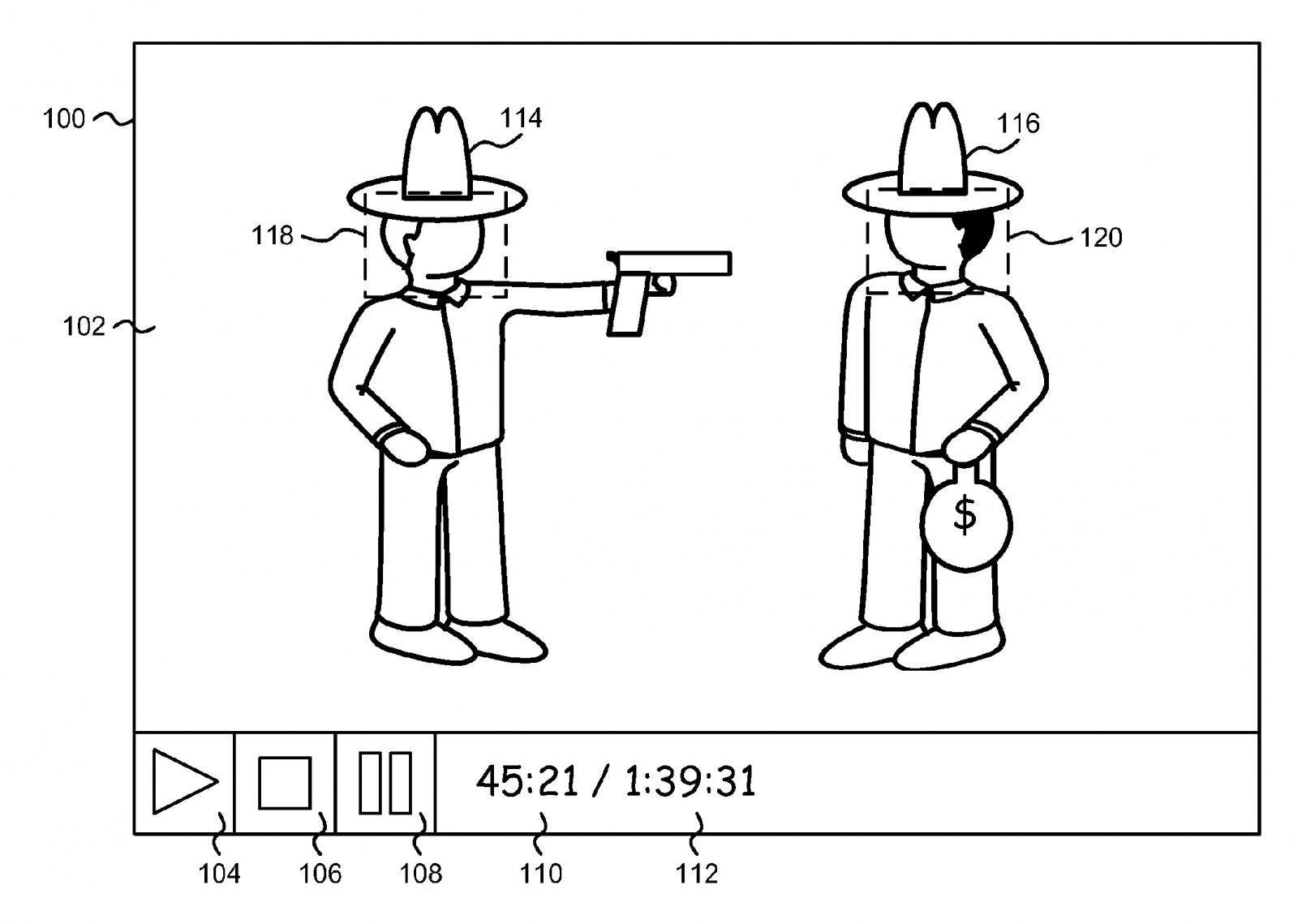
Google wants to use facial recognition to let viewers customize videos as they watch them.

Love Star Trek but cringe every time William Shatner opens his mouth? Google’s new method for customizing video could allow you to mute Captain Kirk’s melodramatic monologues, skip scenes in which the character appears, or even change the channel every time Shatner’s face graces the screen.

These novel ways of slicing and dicing video on the fly are outlined in a patent application entitled “Customized Video,” published Thursday by the U.S. Patent and Trademark Office and assigned to Google. The system would use facial recognition to identify actors, cartoon character, etc. — and give viewers a way to find (or avoid) other videos featuring the same people.

040809+Steve+Wozniak+P1

Despite Apple’s incredible success with the iPhone, company co-founder Steve Wozniak believes it should make a new Android-powered smartphone and “play in two arenas at the same time.” Woz believes such a device could compete very well in the Android market against rival manufacturers like Samsung and Motorola.

Flappy-Bird

Your unbridled addition to Flappy Bird, the latest craze in smartphone gaming that has recently rocketed to the top of the App Store and Google Play charts, is earning its creator an incredible $50,000 per day in advertising revenue.

The title has been downloaded over 50 million times since its debut, and it has amassed almost 350,000 ratings across both platforms.

Next Page »