android

How does the BlackBerry Z10 Compare?

How does the BlackBerry Z10 Compare?

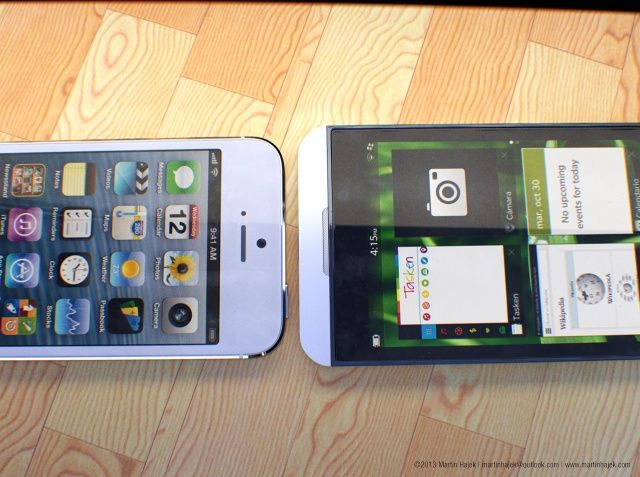
It’s official: the BlackBerry Z10, the first smartphone to ship with the new BlackBerry 10 operating system, and what many believe is the last chance for BlackBerry (formerly RIM) to save itself from complete irrelevance.

The early reviews of the Z10 aren’t bad, but aren’t great, pretty much agreeing that the smartphone is just good enough to buy BlackBerry some time. But how does it stack up, spec-for-spec, against the iPhone 5 and some of Android’s top phones? We’ve put together a chart for you to see for yourself.
verizon_bill_apr

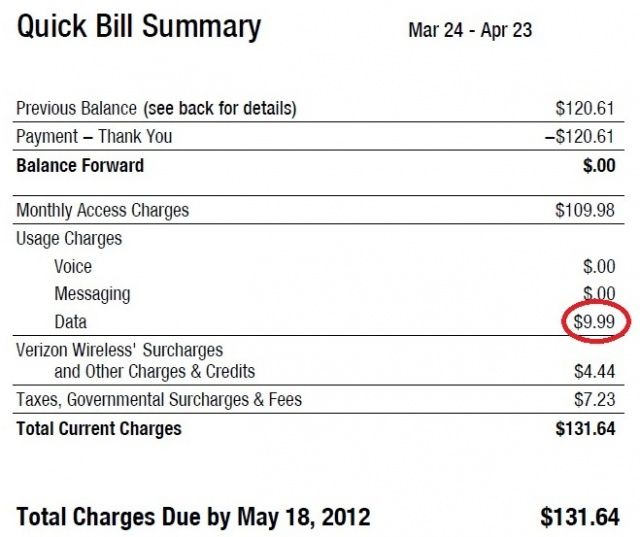
Is your bill over $100 a month? If so, you’re in the majority of iPhone and Android users.

Want to know why a carrier like Sprint is willing to promise Apple almost $16 billion to get the iPhone on their network, or why carriers put up with paying astronomical subsidies just to get a single iPhone customer on their network?

As usual, it all comes down to the crisp, president-branded cabbage. According to a new study, almost 60% of iPhone users spend more than $100 a month on their wireless plan, compared to only 53% of Android users.

mobilekids1


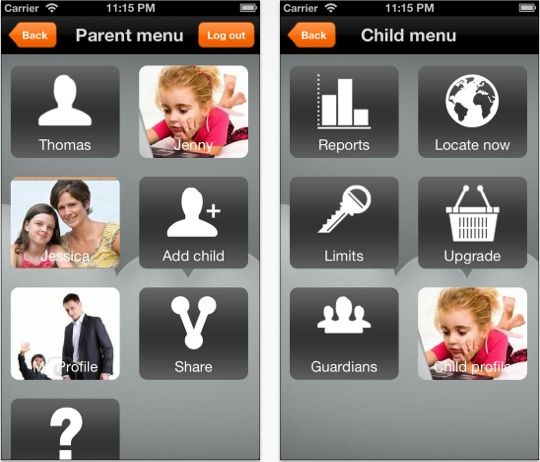
A mobile phone in the hands of your kid can be a liability. But it can also be guardian angel — it all depends on how it’s used. MobileKids is a free iPhone and Android app that enhances a phone’s guardian angel-like qualities while putting the liabilities on lockdown.

scandock-1


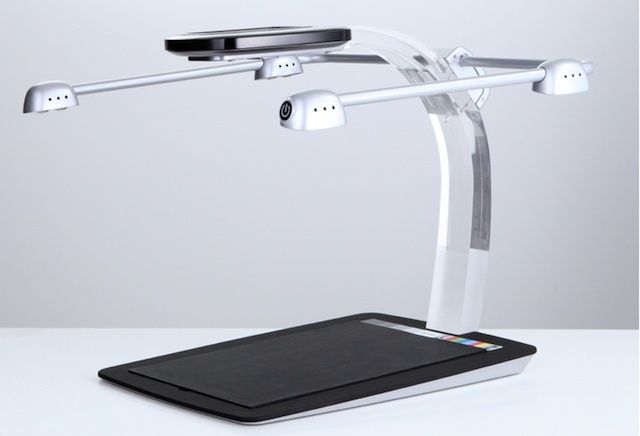
This is the Scandock, a $480 stand that turns your iPhone or Android handset into a better scanner. There are already some great scanner apps out there — here’s an iOS example, and here’s one for Android, both of which are around $5. The Scandock is almost a whopping 100 times more expensive, but claims improved results.

nooly-4


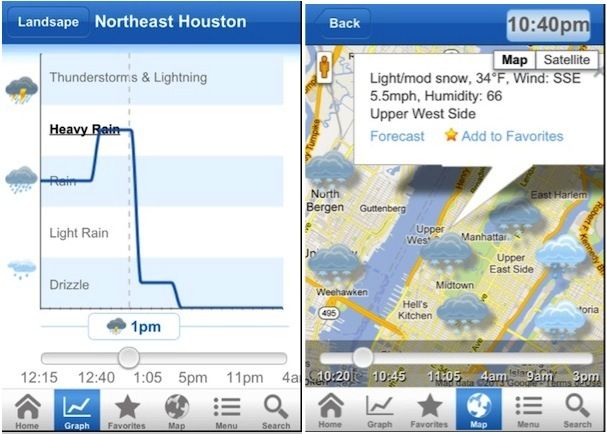
There are weather apps, and then there are weather apps; Nooly is, apparently, the latter. Nooly is so accurate, its press release claims, the app “is capable of predicting the exact minute it will rain or snow and can do so effectively, wherever you are, for every 0.4 square miles.” That’s pretty precise.

Next Page »