Posts tagged developer-news


A post by Scott Main, lead tech writer for developer.android.com, went up yesterday to remind developers that in Google’s eyes, the Menu button is dead. When Google introduced Android 3.0, developers got their first taste of what Google was planning for the future of its UI. Gone was the Menu button, along with the constraints of hardware buttons period. Introduced was the future of Android: software based action buttons. The ActionBar class is now the new standard and Google wants to remind those moving forward to forget about the menu button and focus on the action bar. This is another step towards an overall unified experience on Android, and one that Google hopes developers will adopt, in order to create a consistent experience from here on out.


Here’s another example of why having an open source environment void of lawyers encourages innovation. Here’s a developer who took a projector, Android, a Kinect, and turned it into a future UI (in alpha form of course). It’s actually pretty cool and reminds me a bit of the movie Minority Report.


Early (early early) this morning, Steve Kondick (Cyanogen) announced that the immensely popular CyanogenMod had reached 1 million unique downloads! CyanogenMod is just one of many custom firmwares based on the open-source Android operating system. The CyanogenMod Team consists of numerous devout developers and members who work hard to bring support and features to as many devices as humanly possible. They have extended the life of devices well beyond the realm of official support and have freed us from the chains of carrier induced crap. Custom Android firmware and the ability to have it, is just one of the many advantages of an open-source project such as Android.


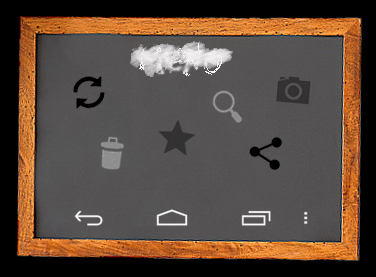
Google’s goal with Ice Cream Sandwich is to present a more unified and distinguishable platform UI from here on out. They’ve been hard at work trying to figure out ways to maintain their “open” approach, while also maintaining some sort of consistency. They want developers to know that they have worked hard on creating Ice Cream Sandwich UI with “the users’ best interests in mind,” and encourage them to apply and adapt these methods when developing for Android. To help guide developers on how to create a complimenting application for Android, they have opened up a new site called “Android Design.”


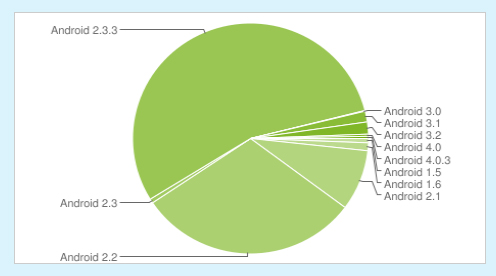
Our favorite tasty treat has finally made it onto the Android platform distribution chart (albeit a tiny sliver of a slice). Google puts out these distribution charts to allow developers to see who’s rocking what, when it pertains to versions of Android. This helps prioritize development and support for future and current apps. This is the first time we’re seeing Android 4.0 (actually 4.0, 4.0.2, and 4.0.3) show up in the chart, and I have to admit, it feels nice to be noticed. There’s a lot of other interesting percentage to note, so let’s take a look at which versions of Android are heading the pack and which are following behind.