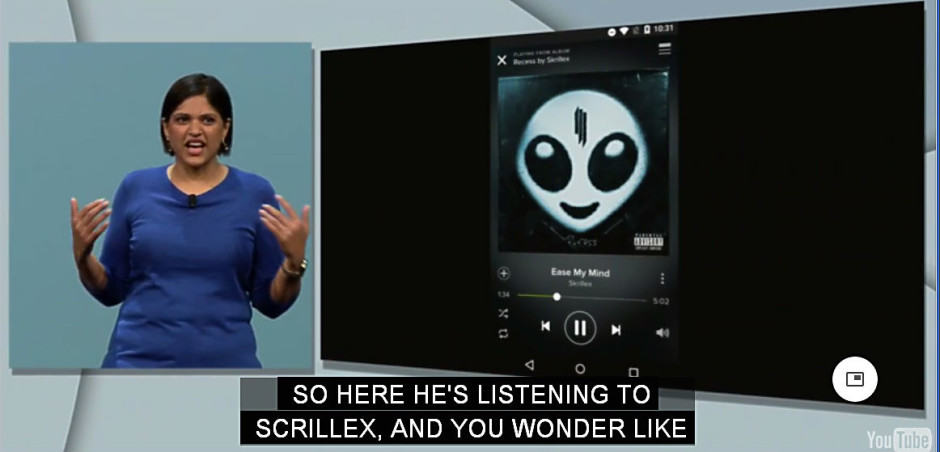
Google’s Now on Tap isn’t the only upgrade for voice search. Screenshot: Cult of Android
Google voice searches just got faster and more accurate, thanks to new acoustic models that provide better voice recognition, especially in noisy environments.

Google’s Now on Tap isn’t the only upgrade for voice search. Screenshot: Cult of Android
Google voice searches just got faster and more accurate, thanks to new acoustic models that provide better voice recognition, especially in noisy environments.
With every passing week, OnePlus has been revealing a new feature and specification of their upcoming handset — the OnePlus One. In the last few days, they have revealed that the handset would sport a 5.5-inch 1080p display inside a body that is smaller than the Xperia Z1, a Snapdragon 800 processor and a 3100mAh battery.
Today, the company has revealed that their upcoming handset will also feature a Moto X like always-on listening mode and is actually taking feedback on their forums for the wakeup phrase.
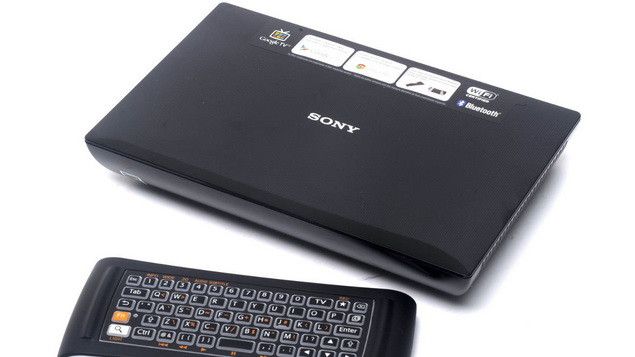
On Thursday June 6th Sony announced the latest addition to its line of Google TV devices, the NSZ-GS8. The Internet Player is the successor to Sony’s NSZ-GS7, which it announced last year. The biggest change for this years model is the addition of voice search.
During the Consumer Electronics Show in Las Vegas this week, ZTE announced a brand new partnership with Nuance that will bring the company’s famous voice recognition software to ZTE’s upcoming smartphone family. The first devices to offer voice interaction will be launching this year, with support for more than 25 different languages and a new “Car Mode” app designed for use behind the wheel.
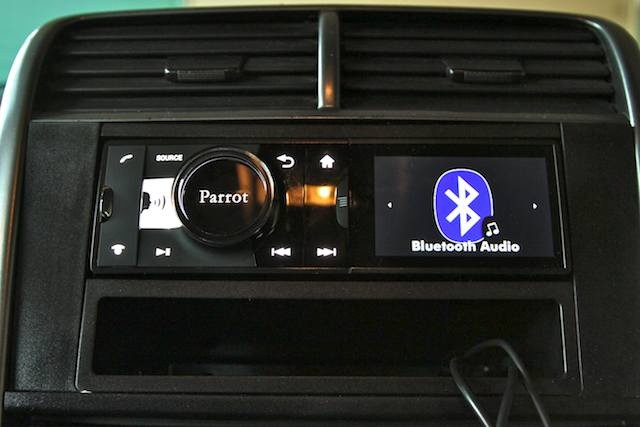
This is the original Parrot Asteroid Classic car stereo head-unit ($349), and it made quite a splash when it launched last year. The single-DIN, 4×55 watt receiver boasts a formidable array of features: Bluetooth connectivity, powerfully accurate voice recognition for both calls and music, a GPS receiver, a bright, 3.2-inch LED screen and a quiver of apps that run off its customized, upgradeable, early-vintage Android 1.5 OS (all of which require a data connection via a dongle).
Though this model was originally called the the Asteroid (no Classic), the Classic nomen was added to lessen confusion as three new models were announced a few months ago. However, the Asteroid Classic still very much in play; in fact, as this review goes live, the Classic is the only member of the Asteroid family currently available, as its new siblings haven’t shipped yet.
With its Android-based OS, you’d be forgiven if you thought the Asteroid Classic was more friendly to Android phones than the iPhone. In fact, the opposite is true, as I’ll explain later. And while it suffers from something that can probably be described as teething trouble, it’s still a lust-worthy system.


