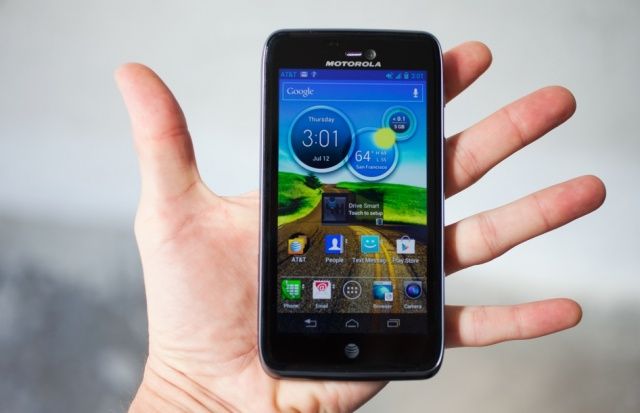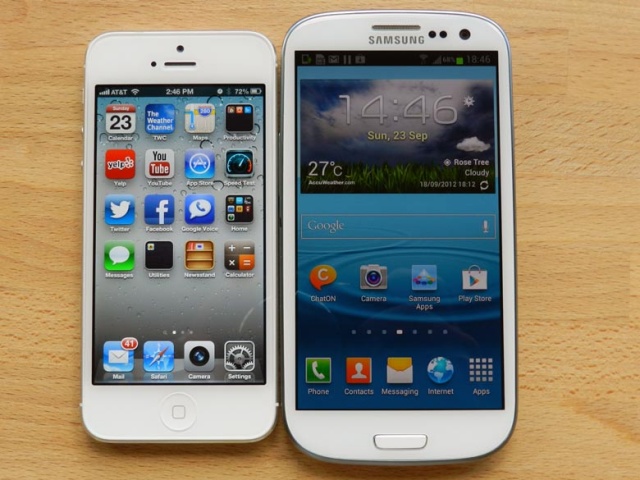
How happy are you with your smartphone? According to a survey of 92,825 smartphone user in the United States, the Motorola Atrix HD delivers the most satisfaction with an impressive 8.57 out of ten. Another Motorola device, the Droid RAZR M, is ranked second with 8.5 out of ten, while the iPhone 5 is ranked fifth with just 8.23 out of ten.
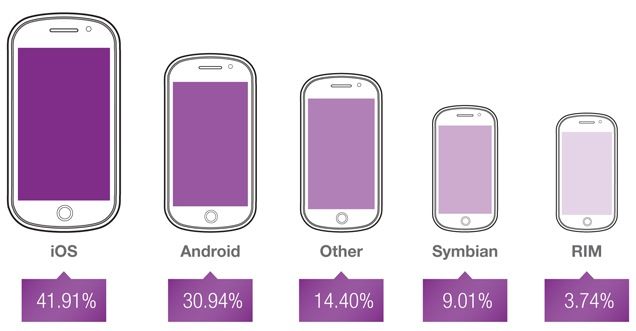
Ad impressions reached a record high during the fourth quarter of 2012, according to data from Opera’s latest State of Mobile Advertising report, with revenue to publishers more than twice that of any previous quarter throughout the year. The figures show that Android continues to increase its share of the market, but it’s got a long way to go before it topples iOS, which boasts a whopping 41.91% share.
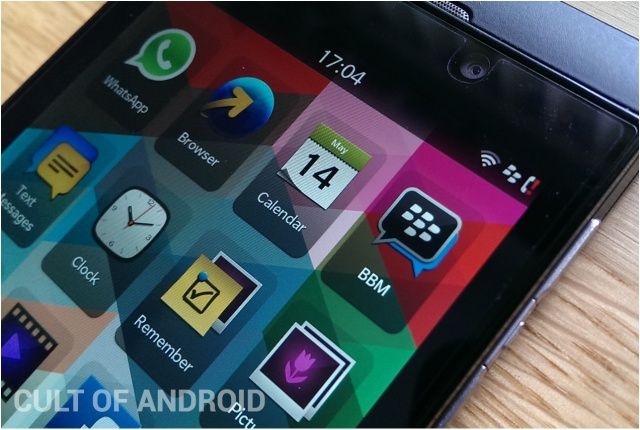
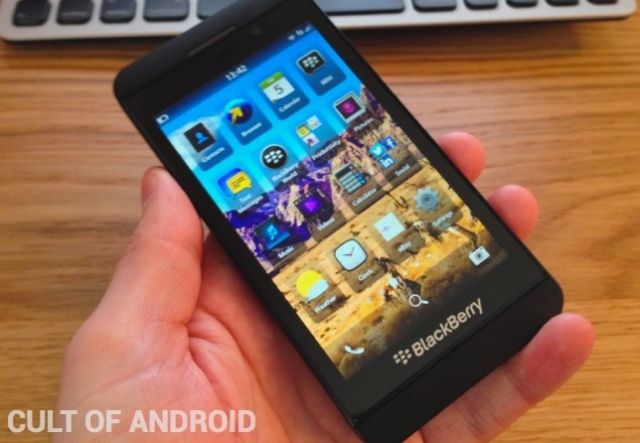
BlackBerry — previously Research in Motion — launched the new BlackBerry Z10 last week, the first smartphone to run the company’s new BlackBerry 10 operating system. Originally set to launch in late 2012, the Z10 has been a long time coming for BlackBerry fans, and it’s a hugely important milestone for the Canadian company.
Many see this as BlackBerry’s last hope of survival in today’s cutthroat smartphone market. It’s been rapidly losing market share to Android and iOS devices over the past five years, and it hasn’t evolved quick enough to put up any sort of a fight. But it’s better later than never.
BlackBerry 10’s here now, and with the help of the Z10 — and later the Q10 — it’s going to be trying to persuade you to give up your iPhone or Android-powered smartphone in favor of a brand new platform. But is it good enough?
I’m a long-time iOS user who recently made the switch to Android, and I’ve been really curious to see if the Z10 is any good. I’ve been using the device almost exclusively since its release; here’s Cult Of Android’s review.

Apple and Samsung are the only two smartphone manufacturers currently seeing any growth in the United States. The pair are slowly eating away at the market share held by their rivals, including LG, Motorola, Research in Motion, and HTC. In the three months leading up to November 2012, Samsung increased its market share from 25.7% to 26.9%, but Apple is catching up with the Cupertino company enjoying slightly more growth.
A group of high-tech companies, including Samsung, Apple, Research In Motion, Intel, and others petitioned the US Congress today to provide more broadcast bandwidth, ostensibly for smartphones and tablets like the Galaxy, iPhone, Nexus, and iPad. The group sent a letter to both House and Senate technology committees, asking them to auction off some of the spectrum that is being used by the federal government.
Samsung has once again taken the top spot for mobile market share in the United States after attracting more than a quarter of mobile subscribers. The Korean company claimed 26.3% of the market as of October 2012, but rival Apple is quickly catching up. The iPhone maker saw the highest level of growth among cellphone manufacturers, and managed to overtake LG to take second place.
One of Research in Motion’s last remaining bastions of strong business is in governments, but it appears that the Blackberry-maker might lose one of their biggest customers: the Pentagon, which is now planning to open its network to iPhones and Androids.
Cheap Android tablets are stealing the iPad’s market share.
A study conducted by the Pew Internet & American Life Project has found a massive boom in tablets over the last 12 months, with 25% of American adults now owning a tablet of their own. As you might expect, the iPad is the most popular device out there at the moment, claiming more than 52% of the market. But that may not be the case for too long.
Android tablets are rapidly catching up, and in the not-so-distant future, there’s a good chance they will be king.
Report after report, same old, same old: Android and iOS continue to kick everyone’s arse in the mobile market. The latest comScore report is out, and once again, these two remain the only ones gaining any market share. Android continues to lead the pack with 48.6% (up 2.3 percentage points) while iOS remains in second with 29.5% (up 1.4 percentage points). Everyone else continues to lose market share with RIM holding the third position at 15.2% (down 2 percentage points. After that it’s Microsoft with 4.4% (down 1 percentage point) followed by Symbian with 1.5% (down .1 percentage point). Overall Android and iOS occupy 78.1% of the market with no signs of slowing down.