Android’s reputation as a nest for malware isn’t likely to heal anytime soon, thanks to a new report from Symantec.
According to the security company’s research, Android is still the main target when it comes to mobile malware writers, but iOS is technically a more vulnerable platform.
Most of Apple senior executive Phil Schiller’s tweets are about music he likes, but today he decided to share a a new F-Secure report with his 67,000+ followers about the rise of Android malware. Schiller’s comment: “Be safe out there.”
iOS is widely considered the most secure consumer mobile platform in the world. And although it’s definitely susceptible to hacks, the amount of malware on iOS is a tiny blip on the radar (less than 1%) when compared with Android’s 79% lion’s share of mobile malware in 2012.
The latest App Report from research firm Appthority has found that free apps downloaded onto iOS devices are more likely to collect your personal data than free apps downloaded on Android, with 60% of the top ten App Store downloads sharing data with advertising and analytics networks.
The report suggests that due to the volume of titles in the App Store, iOS developers are more likely to collect your data and pass it on as an alternative revenue stream.
There’s no two ways about it, malware is a major problem for Android users. You may be someone who’s never been subjected to it, you may have the know-how to detect and remove it — and that’s great — but millions of other users are affected by it every year. During 2012, one leading security firm reported more malware threats for Android than it did for Windows.
The biggest threat to Android users, according to mobile security firm Lookout, is “toll fraud” — malicious apps that are designed to quietly send premium rate text messages from your handset without your knowledge. Chances are you’ll know nothing about it until you receive your monthly bill — then you’ll have a small fortune to pay in charges.
Android’s built-in malware scanner can’t be completely trusted just yet.
With its Android 4.2 Jelly Bean upgrade, Google provided its users with extra protection by introducing an extended malware scanner that’s designed to prevent malicious applications from making their way onto your smartphone or tablet. Not only does it scan the apps you download from Google Play, but also those you acquire from third-party sources, such as Amazon’s Appstore.
It gives Android users peace of mind. The only problem is, new research has proven that the feature is largely worthless. When Google’s malware scanner was put through its paces, it was able to detect just 15.32% of malicious apps.
One of the biggest reasons I switched from Windows to a Mac all those years ago was OS X’s supposed immunity to malware and viruses. I’ve quickly discovered throughout 2012, however, that my Mac isn’t as safe on the Internet as I’d been led to believe. A new report from antivirus experts Sophos today highlights that.
The company’s Security Threat Report 2013 declares 2012 to be the year of “new platforms and changing threats.” Hackers are switching their focus from Windows to other platforms, including Mac OS X. Today’s biggest target, however, is Google’s Android platform.
Lookout is the number one security service for Android.
Lookout has announced a new partnership with Orange that will see its mobile security software pre-installed on Android devices that are sold by the carrier throughout Europe. France, Spain, Slovakia, and the United Kingdom will be first to get the software in early 2013, and more countries will be added throughout the year.
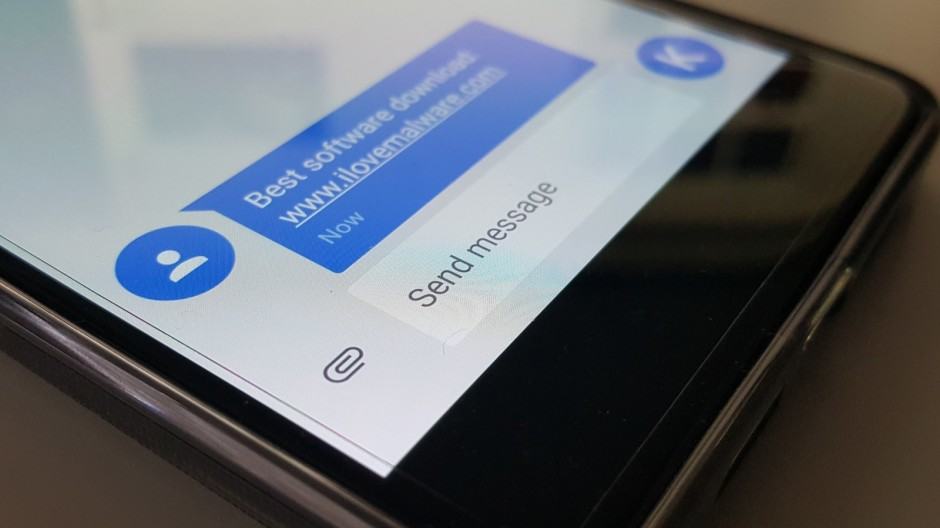
We’re always hearing about possible Android malware and whether or not it’s simply FUD, we’re here to report it and remind you of the common-sense ways of protecting yourself. The latest Android malware scare comes to us from security research company NQ Mobile. According to NQ Mobile, their research has uncovered a new UpdtBot malware application file that is disguising itself as a system upgrade. NQ Mobile reports more than 160,000 Android users have been affected by UpdtBot and that it is spreading via SMS messages. Once installed, UpdtBot registers a remote Command and Control (C&C) server, which instructs the infected device to send text messages, make phone calls, and download and install apps.
There are plenty of anti-malware companies trying to scare the bejebus out of Android users, but Google wants to remind us that they have plenty of tools to keep malware at bay. Today Google revealed their automated scanning service, aptly named Bouncer, that constantly scans the Android Market for potentially malicious software. The Bouncer performs a set of analyses on all applications, new or old, as well as developer’s accounts. Hiroshi Lockheimer, VP of Engineering, explains the process over on the Google Mobile Blog: