Posts tagged malicious

Don't tap untrusted links in SMS messages. Photo: Killian Bell/Cult of Android

Don’t tap untrusted links in SMS messages. Photo: Killian Bell/Cult of Android

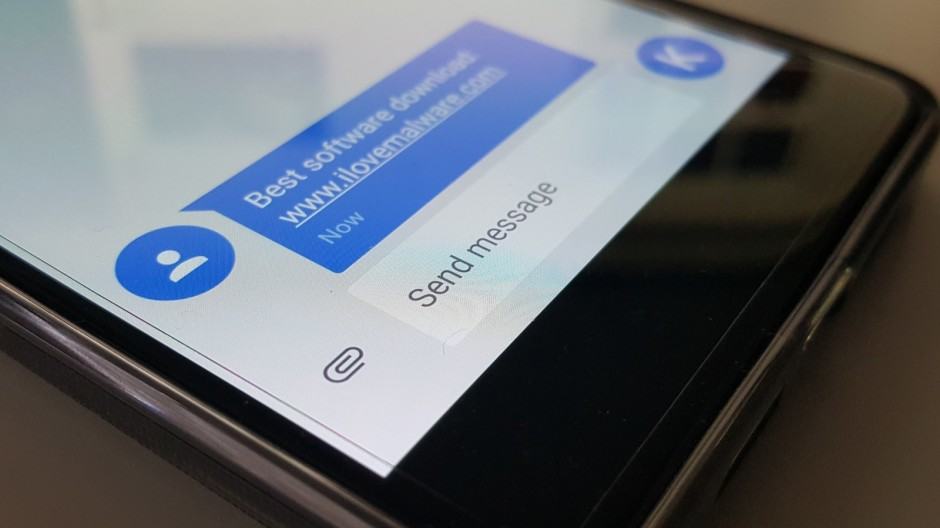
A new Android malware dubbed “Mazar,” which is being spread by SMS, is capable of wiping all of your personal data, making calls, and reading your text messages.

Detected by a Danish security firm, the malware is thought to have been distributed to more than 100,000 phones in Denmark alone so far.


Check your Android now. Photo: Cult of Android

Check your Android now. Photo: Cult of Android

Most of us are good at hiding our browsing habits when we need to, but it turns out your Android device might be even better at it. Thanks to a malicious app distributed through Google Play, some devices have been browsing porn sites in the background without their owner’s knowledge.

hostage

The next malware attack you run into on Android could cost you hundreds of dollars. Researchers have discovered a new trojan that holds your handset hostage until you’ve paid a heavy ransom, and its fear-mongering tactics are designed to make you cough up quick.

After making its way onto your device, “Android-Trojan.Koler.A” displays a supposed FBI warning that accuses you of viewing or storing “banned pornography.” It tells you your handset has been blocked, and it restricts access to many important functions — including your home screen — rendering your device useless until you pay a $300 “fine.”

Android-continual-malware-checks

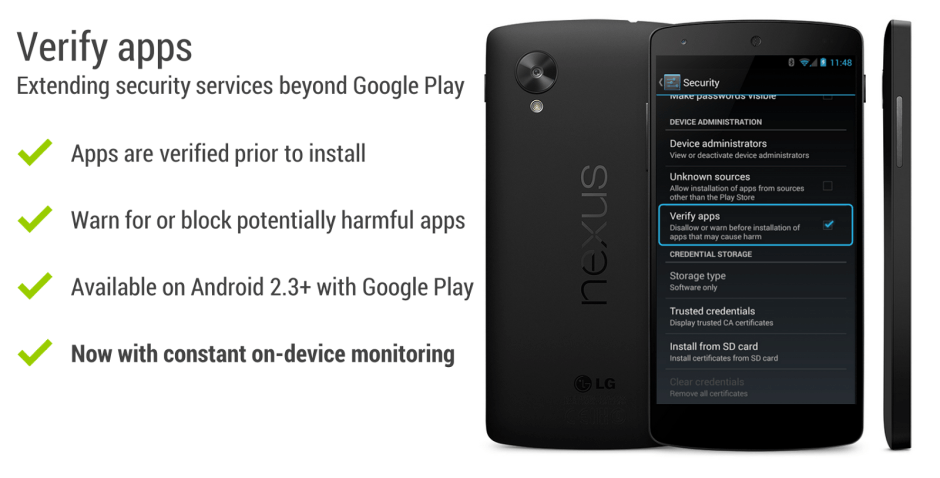
Google has announced that Android will soon run continual security checks on your devices to keep them free from malware and other malicious code. The popular platform already has a “Verify Apps” feature that scans APK files and ensures they are safe before they’re installed, but with continual checks, Android becomes even safer. 

Malware

Researchers have uncovered a major security flaw in the Android operating system that allows hackers to modify trusted apps without changing their verification signature. Attackers could take advantage of the vulnerability to install keyloggers, backdoors, and other malicious functions into apps, which would continue to look completely legitimate to their users.

Next Page »