Amazon Coins, the new virtual currency from Amazon that was announced back in February, makes its public debut today. It’s available to Kindle Fire owners who use the Amazon Appstore to download their digital content, and every user in the United States gets 500 coins — worth $5 — free to get them started.
Just as the first prototype units are wending their way out to the initial lucky folks who get to use Google Glass before the rest of us, Google has posted its API for developers to start building apps for this latest wearable tech device.
In an out-of-character move for the Android operating system, Google is prohibiting developers from giving out their apps from anywhere but the official Google-hosted distribution channel. The company is also forbids anyone from adding advertisement or collecting any sort of fee to use said apps.
The latest App Report from research firm Appthority has found that free apps downloaded onto iOS devices are more likely to collect your personal data than free apps downloaded on Android, with 60% of the top ten App Store downloads sharing data with advertising and analytics networks.
The report suggests that due to the volume of titles in the App Store, iOS developers are more likely to collect your data and pass it on as an alternative revenue stream.
Amazon has today announced a new virtual currency that will be used inside apps and games developed for its Kindle Fire tablet family. Called “Amazon Coins” and set to arrive in May, Amazon believes the move is “another substantial opportunity to drive traffic, downloads and increase monetization even further” for developers.
Google has today announced two two-day hackathon events for customers who pre-ordered the Explorer Edition of Project Glass. The events, dubbed Glass Foundry, will be held in San Francisco and New York, and they’ll give developers the opportunity to become the first group to collectively build software for the upcoming device.
Google has finally rolled out the ability for Android developers to add localized graphics to their applications in Google Play. As Android devices become increasingly popular the world over — particularly in China, where a third of all Android devices are sold — the company has finally seen the need to support promotional materials dedicated to different countries.
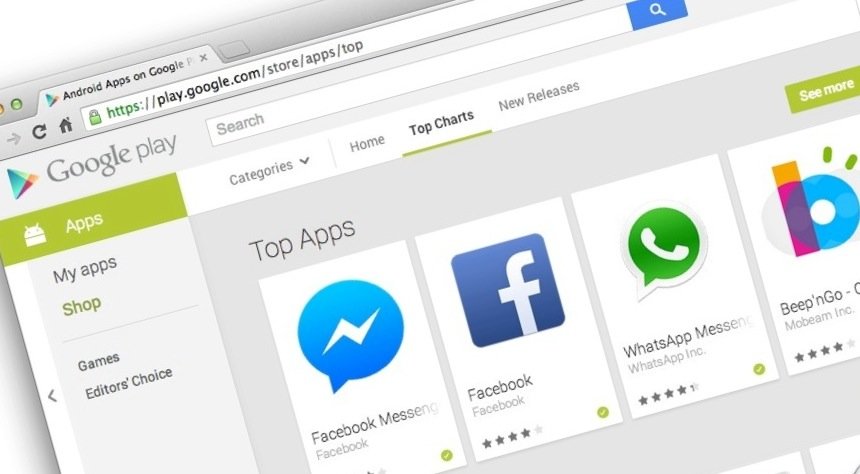
Since its debut back in 2008, Apple’s iOS App Store has held the crown for the largest library of mobile apps and games available. That’s no longer the case, however, as its biggest rival, the Google Play store, has now caught up. Today Google announced that it now offers over 700,000 Android titles.
Last week a group of developers banded together to celebrate pricing freedom by launching the Because We May promotion. The promotion, which ends June 1, includes heavily discounted games across multiple platforms. Since its launch, Because We May has received great support and the list of games available has grown tremendously.
A group of developers have banded together to celebrate their freedom to price their games how they like within specific online stores. Most online app stores give developers this freedom, but others such as the Amazon App Store do not. Amazon allows a developer to set a recommended price for their app but reserves the right to change that price whenever they want. I can’t really think of another app store besides the Amazon App Store, so this coalition almost feels like an anti-Amazon App Store celebration to me.
Evernote is planning on giving away over $100,000 in prizes in its second annual worldwide developer competition: the Evernote Devcup. Devcup challenges software developers and designers to create awesome products that integrate with the Evernote API for desktop, mobile or the web. The competition, which opens in 4 days, will award developers with over $100,000 in prizes and give finalists the chance to present their work to the attendees at Evernote’s Trunk Conference in San Francisco.