Google’s got an Android problem, and a big one. And it’s a problem Google shares with us fans of Google content-delivering services, such as Google Search, YouTube, Gmail, Google+ and others.
That problems is that companies like Amazon and Facebook increasingly hijack Android to divert user attention away from Google services and toward their own or their partners’.
This post isn’t about the problem, which I’ve written about extensively here, here and here. It’s about the solution.
Still, let’s understand both the problem and the solution.
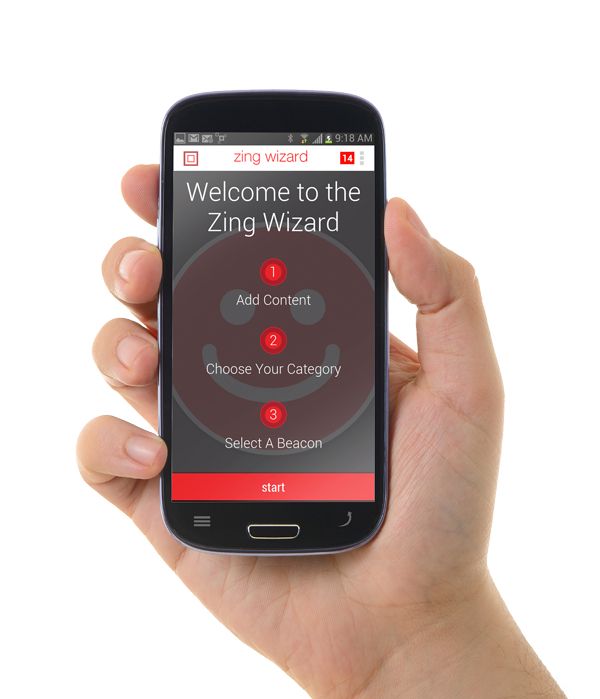
The most likely prediction for Facebook’s project, code-named “Buffy,” is that it’s a modified, Facebook-centric version of Android on an HTC handset with a promise of other handsets — some insiders call it an “application layer.”
The dark horse contender is a Facebook-branded phone.
That’s great, right? Facebook has now friended Google and will join the growing family of Android-loving companies. Uh, right?
Wrong. Facebook is joining the club of Google’s enemies who are using Android to take business away from Google.
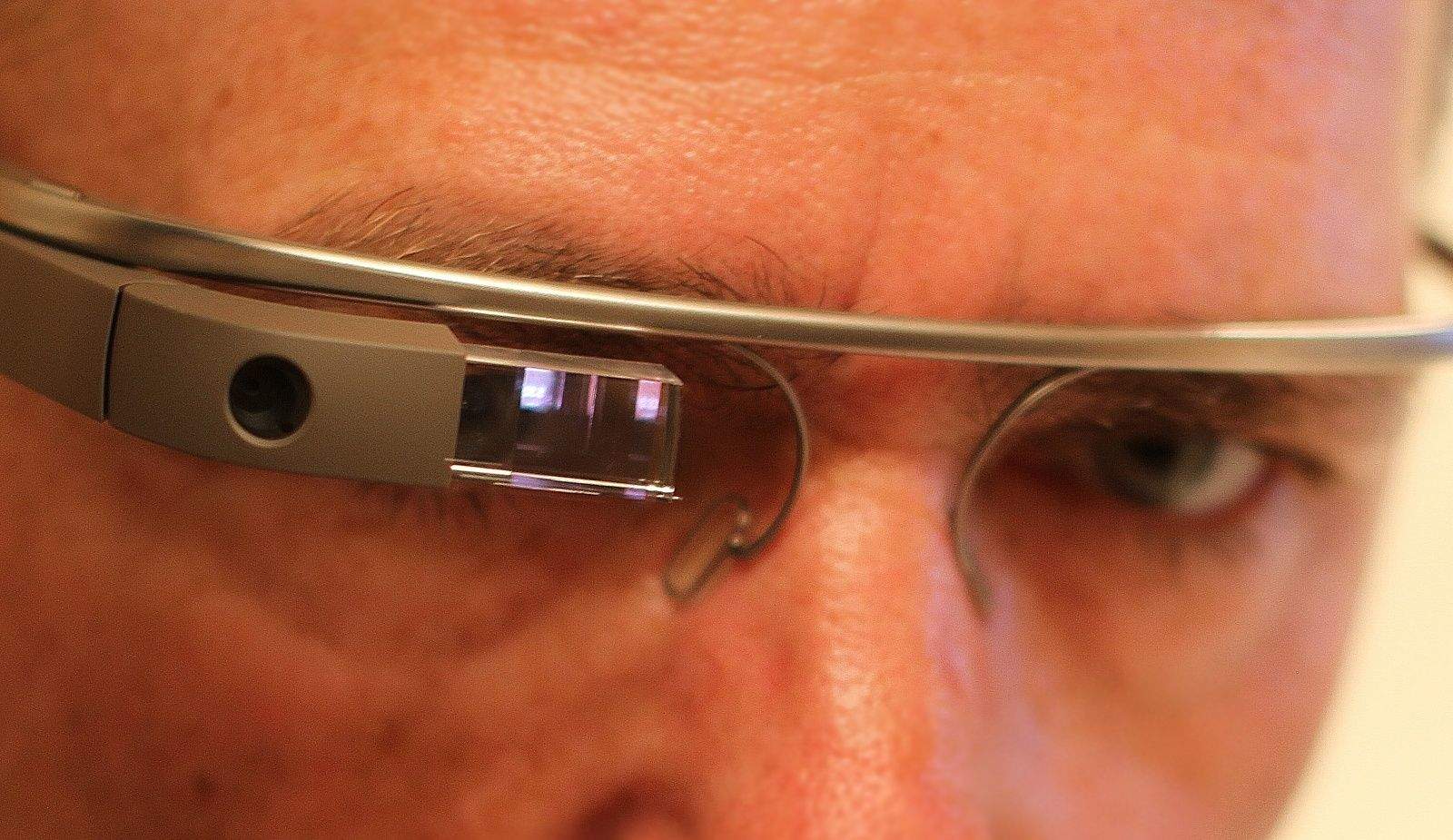
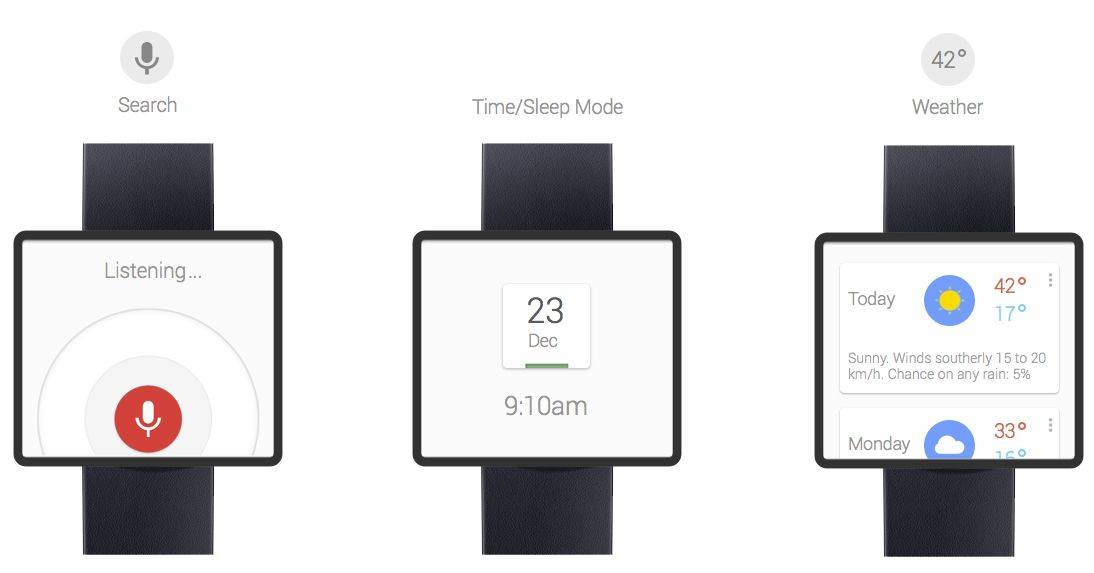
Both these products are examples of Android-based wearable computing devices.
A fresh new religious war has broken out on the social networks about whether the watch is better than the glasses, or whether smartphones are better than both the glasses and the watch. “Why would I wear an Android smartwatch when I have an Android phone in my pocket that’s much better?”
These arguments demonstrate that most people don’t get this technology at all.
We simply couldn’t get a Turkish SIM card to work on my Nexus. While trying to make it across Istanbul during a storm, we had to ask our taxi driver to use his phone to get directions. It would have been nice to just use Google Maps on my own Android phone.
An unpleasant phone call with AT&T yesterday highlighted for me what I consider to be the biggest unsolved problem in mobility: using a smartphone in a foreign country.
Phone calls are expensive. Mobile broadband is either expensive, hard to find or both. And even WiFi can suck.
I’m a digital nomad and I live abroad. In the past nine months, I’ve lived in Greece, Turkey, Kenya and Spain. Believe me: Getting connected abroad is harder, more expensive and less satisfying than it should be.
Apple has demonstrated muted contempt for podcasting, with its passive-aggressive stewardship of the content and its apathy about the low quality of its own Podcasts app.
I believe podcasting is the future of all audio and video media — the future of radio and television — and I’ll tell you why below.
So if Apple doesn’t want to own the future of TV and radio, maybe Google should take over the leadership role from Apple?
The next big frontier in mainstream consumer technology is home automation.
While home automation enthusiasts have been enjoying home automation for years, the vast majority of people don’t have it because it has always been far too expensive and complicated.
But, as we know, Moore’s Law cures all. Suddenly, it’s clear that major Silicon Valley companies are now interested in getting into the home automation space.
It’s all the more interesting because this home automation will be developed as part of the so-called “living room” experience, where every home will have a server that controls not only the all-important DVR recording of Here Comes Honey Boo Boo, but also controls the automated sprinkler system, the heating and cooling systems, the home security system and all the lights.
Although there are literally dozens of specialist companies most of us haven’t heard of doing home automation, it’s more likely that the big companies we’re all familiar with will battle for the future of home computing: Microsoft, Apple and Google are the leading contenders.
Among these companies, Google is currently in last place. Here’s why I want them to win.
The site 9to5Google reported this week that an “extremely reliable source” says Google plans to open retail stores later this year.
The purpose of the stores, according to the post, is to sell Google products like the Nexus line of phones and tablets, and also to promote hard-to-understand future items like the Google Glass idea.
The author speculated that Google might also sell Google merchandise like T-shirts.
All this sounds like either crazy talk, or the kind of Apple envy that may have motivated Microsoft to open a chain of retail stores.
But I think Google Stores could be a huge advantage for Google.
Google has two founders — and a split personality.
There’s the Sergey Google — the idealistic, Google Glass wearing, Vibram-loving Google where a campus full of brainy geeks invent the future.
Then there’s the Larry Google — the pragmatic, realist Google where starry-eyed optimism is balanced with sound business sense and smart strategic investment, enabling the company to adapt and grow in a changing global marketplace.
Should Google “Larrify” its Android policy and start denying Android access to companies that Google finds harmful to the world — and its business?
Every smartphone I purchase for my household has to have a few specific features, one of which is a removable battery. Lately, I’ve been concerned over the growing trend of OEMs locking up the backs of their devices and thus making the battery non-removable (at least without having to grab a screwdriver). I’m not sure what advantages, if any, having a non-removable battery provide, but I am certain of the advantages having a removable battery provide.